
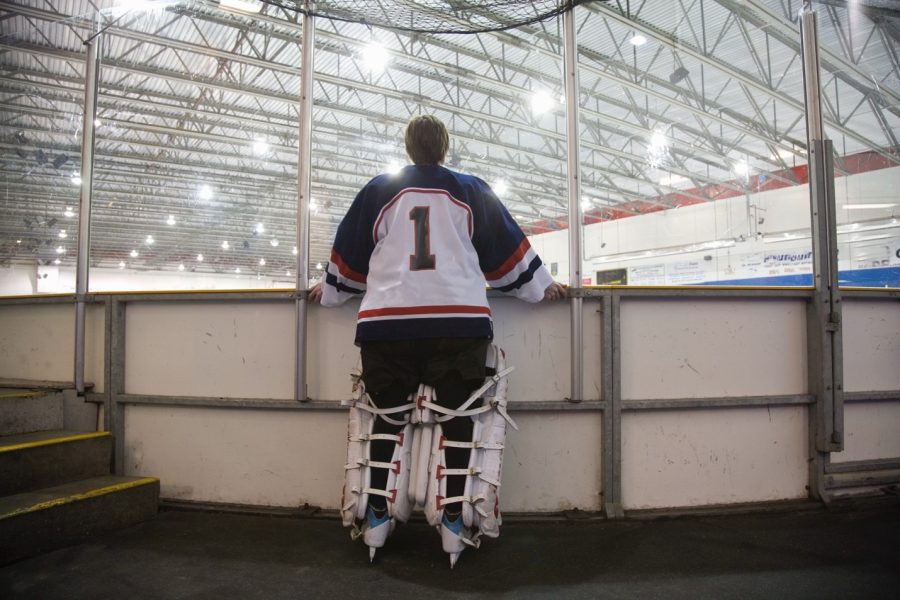
A collision during a football game or a fall on the ice can cause more than temporary discomfort. Concussions are traumatic brain injuries that affect brain function, sometimes without obvious physical signs. Athletes, coaches, and parents must recognize potential symptoms and respond quickly to reduce the risk of further injury.
Recognizing Concussion Symptoms
A concussion occurs when an impact or sudden movement causes the brain to shift rapidly inside the skull. Losing consciousness is not necessary for an injury to occur.
Common symptoms include headaches, dizziness, nausea, confusion, and sensitivity to light. Athletes may also experience memory difficulties, unusual fatigue, or changes in mood. Symptoms can develop hours after the initial impact.
Protective Equipment Has Limitations
Contact sports carry concussion risks because collisions and falls are common. Football, soccer, and hockey frequently involve situations where athletes experience sudden impacts.
Properly fitted hockey helmets can reduce the risk of certain head injuries, but they cannot prevent every concussion. Safe playing techniques and rules against dangerous contact remain important.
Recovery Requires Medical Guidance
Athletes with suspected concussions should immediately stop playing and receive medical evaluation. Returning to competition that day can expose an injured athlete to additional harm.
Recovery generally begins with 24 to 48 hours of relative rest, followed by gradual activity that does not significantly worsen symptoms. Healthcare professionals should supervise return-to-sport decisions. Worsening headaches, repeated vomiting, seizures, or increasing confusion require emergency medical attention.
Creating Safer Sports Environments
Coaches should encourage symptom reporting and enforce appropriate safety rules. Parents can monitor behavioral changes and reinforce the importance of following medical recommendations.
Concussions deserve attention because their effects can interfere with learning, physical activity, and emotional health. Early recognition, appropriate treatment, and gradual recovery help athletes return safely while protecting their long-term well-being. Look over the infographic below for more information.